
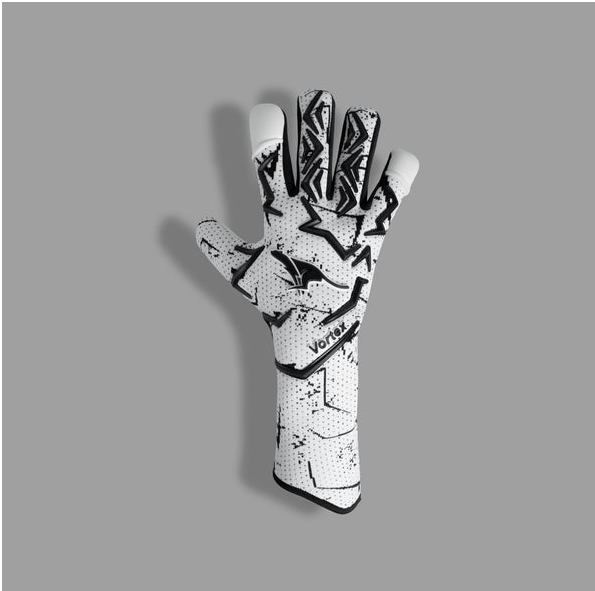
Goalkeeper gloves can influence how comfortable and confident a player feels during training and matches. Since every goalkeeper has a different hand shape, playing style, and preference, choosing the right glove construction is an important part of selecting equipment.
Two popular options are hybrid cut and negative cut gloves. Both designs can offer a secure fit, but they provide different sensations and characteristics on the hand.
Understanding these differences can help goalkeepers make a more informed choice.
Why the Glove Cut Matters
The cut describes how the glove is constructed around the fingers and palm. It can affect the amount of internal space, the overall fit, flexibility, and how closely the glove sits against the hand.
Before selecting a pair, players should consider:
• Hand shape
• Preferred fit
• Finger mobility
• Playing frequency
• Grip requirements
• Comfort
• Weather and pitch conditions
A glove that feels natural on the hand can help the goalkeeper concentrate on the game rather than adjusting equipment.
Understanding Hybrid Cut Goalkeeper Gloves
Goalkeeper gloves hybrid cut designs combine features from different glove constructions. This approach can provide a balance between fit, comfort, flexibility, and internal space.
The exact construction can vary between models, so players should check the specifications of each glove rather than assuming every hybrid design feels identical.
Hybrid cuts may appeal to goalkeepers who want a combination of characteristics rather than a highly specialized fit.
What Makes Hybrid Cuts Different?
Hybrid construction can offer a versatile feel for players who do not want to commit to one particular glove style.
Balanced Fit
The construction may provide a combination of close fitting areas and additional room where appropriate.
Comfortable Movement
Depending on the design, the glove can allow natural finger movement during handling and saves.
Versatile Feel
Hybrid gloves can suit players who want characteristics from more than one traditional cut.
Personal Preference
Ultimately, the best fit depends on the goalkeeper’s hand shape and preferred sensation.
Exploring Negative Cut Gloves
Negative cut gloves are constructed with the stitching positioned inside the glove. This creates a close fitting shape around the fingers and hand.
Players who prefer a snug glove often choose this style because it can provide a direct feeling when handling the ball.
The correct size is particularly important because an overly tight glove may become uncomfortable during longer sessions.
Advantages of a Negative Cut
A negative construction can provide several characteristics that appeal to technical goalkeepers.
Close Contact
The glove sits closely against the hand, reducing excess internal space.
Responsive Handling
The fitted design can create a direct sensation when catching or controlling the ball.
Natural Finger Movement
A correctly sized glove can allow comfortable movement during saves and distribution.
Secure Fit
Players who prefer a compact glove may enjoy the secure feeling of this construction.
Hybrid Cut or Negative Cut?
Choosing between the two depends on what the goalkeeper wants from their equipment.
A hybrid construction may be suitable for players looking for a combination of features. A negative cut can be more appealing to those who strongly prefer a close fitting glove.
Neither design is automatically better for every player.
Hand shape, comfort, playing experience, and personal preference should guide the decision.
The Importance of Correct Sizing
Even a well designed glove can feel uncomfortable if the size is wrong.
Players should use the manufacturer’s sizing chart and measure their hands when required.
There should be enough room for comfortable movement without excessive material inside the glove.
Young players should check their glove size regularly as their hands grow.
Grip and Palm Quality
The palm is another major consideration when choosing goalkeeper gloves.
Different materials can offer different combinations of grip, durability, and ball feel. Playing conditions can also influence performance.
Goalkeepers should think about whether they usually play on natural grass, artificial surfaces, indoor pitches, or in wet conditions.
Proper cleaning and maintenance can help preserve the palm over time.
Comfort During Training
Goalkeepers often spend several hours each week training, so comfort should not be overlooked.
A glove that feels good during a short fitting session should also remain comfortable during extended use.
Players should pay attention to pressure points, finger movement, internal stitching, and overall flexibility.
Protection Considerations
Some goalkeepers may also want additional finger support, particularly during training or while returning from an injury.
Others may prefer a lighter glove with greater flexibility.
The right balance depends on the player’s needs and experience.
Caring for Goalkeeper Gloves
Good maintenance can extend the useful life of gloves.
After training or a match, players should clean the gloves according to the manufacturer’s instructions. They should then be allowed to dry naturally.
Avoiding excessive heat and storing gloves carefully can help protect the materials.
Finding the Right Style at TechGrip
TechGrip provides goalkeeper equipment for players with different preferences and playing requirements.
When comparing models, goalkeepers can look at the glove cut, palm characteristics, size, protection, and intended use.
Taking time to understand these features can make it easier to select equipment that feels natural and performs reliably.
Making Your Choice
There is no single glove cut that works for every goalkeeper. Some players prefer the versatile characteristics of a hybrid construction, while others feel more comfortable with the close fit of a negative design.
Trying to identify what feels most natural is a useful starting point.
Players interested in goalkeeper gloves hybrid cut options can compare their construction with other styles. Those who prefer a closer fit can also explore negative cut gloves and consider how they match their hand shape and playing style.
Conclusion
Glove construction can have a meaningful effect on comfort, fit, and handling. Hybrid designs can provide a versatile combination of characteristics, while negative construction offers a close fitting feel that many goalkeepers appreciate.
Before buying, consider your hand shape, preferred fit, playing conditions, grip requirements, protection needs, and frequency of use. Comparing goalkeeper gloves hybrid cut models with negative cut gloves can help you find a pair that feels comfortable and supports your confidence on the pitch.