
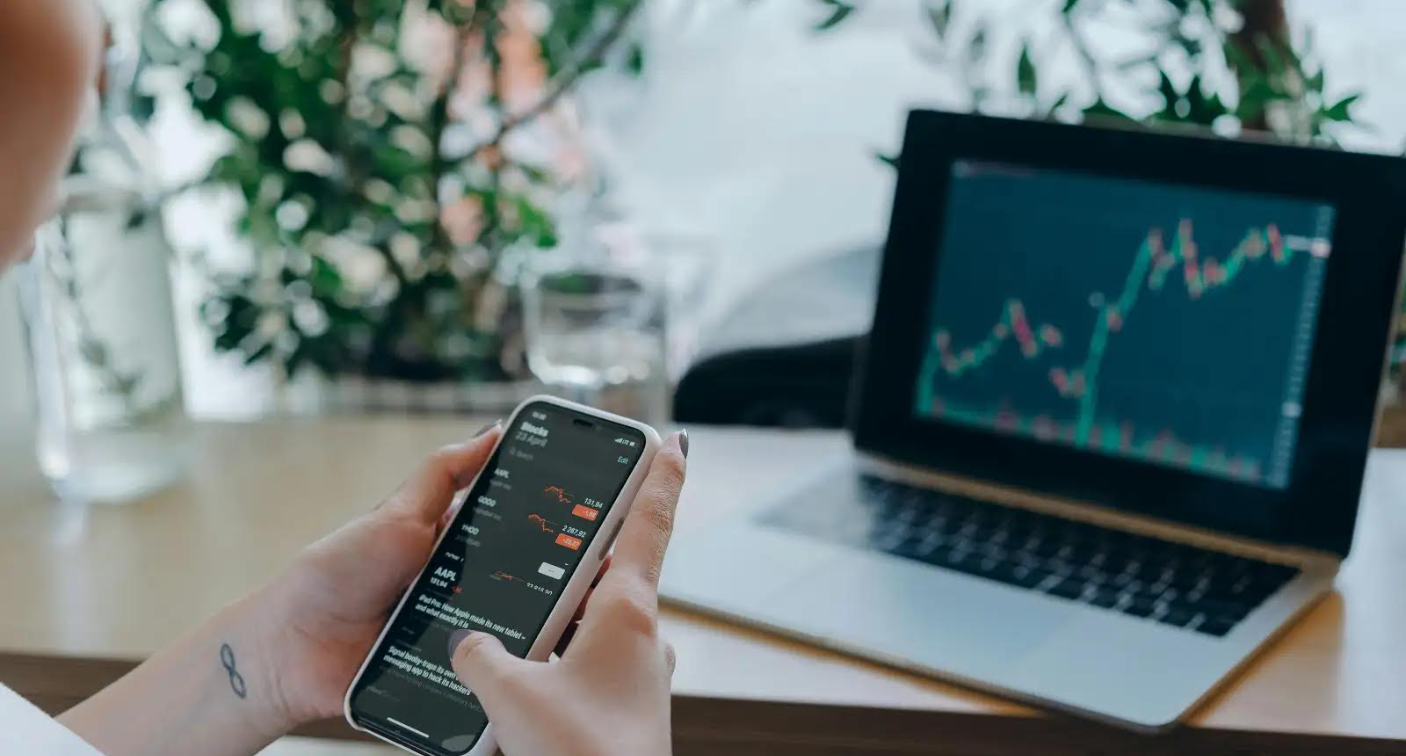
A crowded screen can make a trader feel informed while quietly reducing the quality of each decision. Charts, headlines, chat windows, economic calendars, and flashing price alerts all compete for the same attention. The result is often more reaction, not more understanding.
A well-organized trader terminal should show what matters for the current method and hide what does not. That sounds obvious, yet screens tend to accumulate tools over time. One indicator is added after a missed reversal, another news feed appears after an unexpected announcement, and soon every price movement seems to demand an explanation.
Give Each Screen One Clear Job
A workspace becomes easier to read when each monitor or tab has a defined purpose. One screen might contain the execution chart and open positions. Another can hold the economic calendar and higher-timeframe context. Research, news, and account history can remain in separate tabs until they are needed.
Mixing analysis and execution creates unnecessary switching. A trader preparing an order should not have to search through earnings headlines, social posts, and unrelated instruments to confirm the position size. Experienced participants usually arrange the screen around the sequence of the decision rather than around the number of features the platform offers.
If a window has no role during the next trade, why is it open?
Reduce the Number of Visible Instruments
A watchlist containing dozens of markets creates a steady stream of movement. Something is almost always rising, falling, or approaching a technical level. That can produce the impression that an opportunity is being missed somewhere else.
A shorter session list is more useful. It might include three currency pairs affected by the day’s central-bank decision, two equity indices active during the chosen hours, or a small group of commodities connected to a scheduled inventory report. Instruments can rotate as conditions change without remaining permanently visible.
The counterintuitive benefit of watching fewer markets is that more relevant information becomes noticeable. Changes in spread, pace, and reaction around a familiar level stand out when the eye is not jumping between twenty miniature charts.
Remove Indicators That Answer the Same Question
Several indicators can create the appearance of confirmation while repeating the same information. A moving average, momentum oscillator, and trend-strength tool may all respond to recent price direction. When they agree, the agreement is less independent than it looks.
Keep tools that serve distinct purposes. One might show trend context, another current volatility, and a third volume or momentum. Every indicator should influence a specific decision. If removing it would not change the entry, exit, or position size, it is probably decoration.
Clean does not mean empty.
Consider EUR/USD consolidating before a US inflation report. The release pushes price above the morning range, and several momentum indicators immediately turn bullish. A trader focused on the signals may enter just as price reaches the prior day’s high. The pair then sweeps that liquidity, falls back inside the range, and leaves the indicators reacting to a breakout that has already failed. A simpler chart would not predict the reversal, but it might make the rejection level harder to overlook.
Make Alerts Selective and Actionable
An alert should represent a possible decision, not merely a price change. Notifications for every minor move train the trader to check the platform constantly. After enough false alarms, even an important signal begins to feel routine.
Useful alerts are tied to planned levels, scheduled releases, margin thresholds, order fills, or changes in open positions. Their wording should also explain why they matter. “GBP/USD reached 1.2750 resistance” provides more context than a generic tone with no instruction attached.
Sound deserves restraint. Different tones for market levels, executions, and account-risk warnings can prevent a routine chart alert from being confused with a margin notification.
Hide Profit and Loss During Analysis
A live profit figure can become the loudest object on the screen. A small gain invites an early exit; a loss encourages traders to search for reasons the position might recover. Neither response necessarily reflects the original setup.
Where the platform allows it, analysis can focus on price, invalidation, and target levels while account results remain in a secondary panel. The position still needs supervision, but the cash fluctuation does not need to dominate every candle.
Before the next session, take a screenshot of the trader terminal and mark every item used in the last five decisions. Remove or hide anything that affected none of them. Then limit the watchlist, consolidate duplicated indicators, and keep only alerts connected to a planned action. The screen should make the next valid decision easier to see, not make every movement feel urgent.